✨ What Are Chakras?
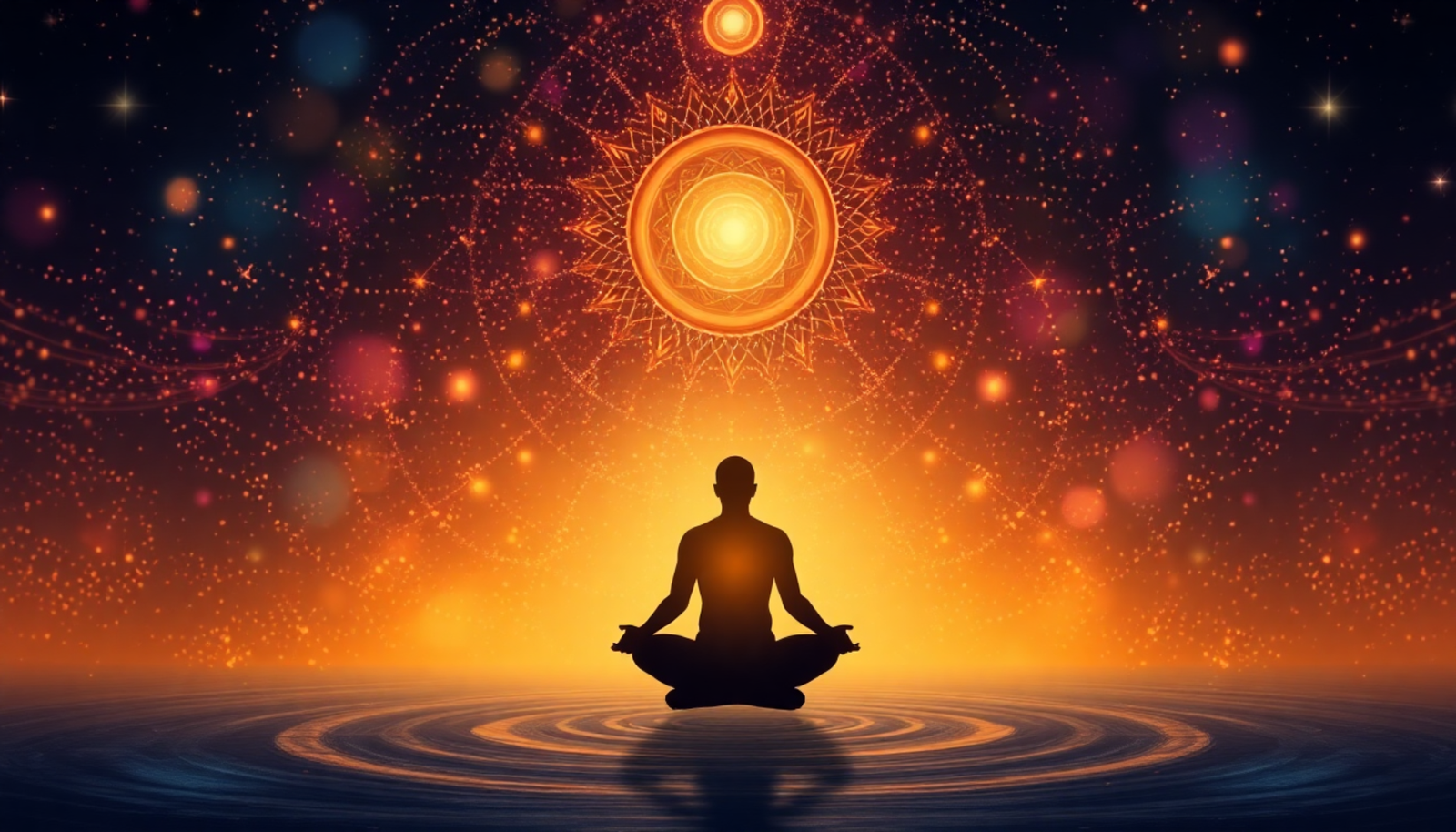
Chakras are the vital energy centers within the human body that govern the flow of life force, also known as prana or spiritual energy. Derived from the Sanskrit word “Chakra” which means “wheel” or “disk,” these spinning wheels of energy are responsible for regulating physical, emotional, mental, and spiritual well-being. Ancient spiritual traditions, particularly in Hinduism, Buddhism, and yogic sciences, have emphasized the importance of maintaining a balanced and open chakra system for holistic health and conscious living. Each chakra corresponds to specific physical organs, emotional states, and spiritual attributes, forming a complex energetic network within our subtle body. Blockages or imbalances in any of these energy centers can manifest as physical ailments, emotional disturbances, or spiritual disconnection. Understanding chakras and their functions is a fundamental step toward personal growth, emotional intelligence, and spiritual awakening.
There are seven primary chakras located along the central channel of the body, commonly referred to as the spine. These chakras begin at the base of the spine and rise to the crown of the head. Each chakra resonates at a specific frequency and governs different aspects of our life. In addition to these primary chakras, there are also numerous secondary and minor chakras spread throughout the body that influence subtle energy patterns. When energy flows smoothly through all chakras, an individual experiences harmony, vitality, emotional stability, and spiritual awareness. Conversely, blocked or underactive chakras can lead to stress, anxiety, physical illness, or recurring challenges in life.
1. Root Chakra (Muladhara)
The Root Chakra is located at the base of the spine and is associated with stability, security, and survival. Its color is red, symbolizing strength and vitality. When balanced, it provides a sense of grounding, self-confidence, and trust in life. Blockages may result in fear, anxiety, financial instability, or a feeling of disconnection from reality. Practices such as meditation, grounding exercises, and visualization can strengthen this chakra.
2. Sacral Chakra (Svadhisthana)
Positioned just below the navel, the Sacral Chakra governs creativity, emotions, sexuality, and relationships. Represented by the color orange, it fuels passion, pleasure, and adaptability. Imbalances can manifest as emotional instability, lack of motivation, suppressed creativity, or challenges in personal relationships. Healing techniques include water therapy, creative expression, and energy work to restore emotional flow.
3. Solar Plexus Chakra (Manipura)
The Solar Plexus Chakra, located in the upper abdomen, is the center of personal power, confidence, and self-discipline. Yellow in color, it influences decision-making, willpower, and motivation. A blocked solar plexus can cause low self-esteem, indecisiveness, digestive issues, and feelings of helplessness. Techniques like affirmations, core strengthening exercises, and spiritual energy alignment can empower this chakra.
4. Heart Chakra (Anahata)
Situated in the center of the chest, the Heart Chakra is associated with love, compassion, forgiveness, and emotional healing. Green in color, it is the bridge between the lower physical chakras and the higher spiritual chakras. When balanced, it fosters harmonious relationships, empathy, and emotional resilience. Imbalances may lead to grief, jealousy, loneliness, or heart-related ailments. Practices such as loving-kindness meditation, energy healing, and gratitude exercises help open and balance this chakra.
5. Throat Chakra (Vishuddha)
The Throat Chakra, located at the base of the throat, governs communication, self-expression, and personal truth. Blue in color, it enhances clarity, authenticity, and the ability to express emotions effectively. Blocked energy in this chakra can cause fear of speaking, dishonesty, throat issues, or suppressed creativity. Techniques such as chanting, singing, mantra repetition, and mindful speaking strengthen this chakra and enhance self-expression.
6. Third Eye Chakra (Ajna)
Positioned between the eyebrows, the Third Eye Chakra represents intuition, insight, imagination, and psychic abilities. Indigo in color, it enables perception beyond the physical senses, guiding wisdom and clarity of thought. Imbalances may manifest as confusion, poor decision-making, headaches, or lack of focus. Meditation, visualization, and mindfulness practices are effective tools to activate and balance the third eye.
7. Crown Chakra (Sahasrara)
The Crown Chakra is located at the top of the head and symbolizes spiritual connection, consciousness, and enlightenment. Its violet or white color signifies purity and divine energy. When open, it fosters a deep sense of unity, wisdom, and inner peace. Blockages can cause spiritual disconnection, depression, or lack of purpose. Practices like meditation, prayer, and energy transmission help align and awaken the crown chakra.
In essence, chakras are not just metaphysical concepts; they are vital energy centers that influence every aspect of human life—physical, emotional, and spiritual. Understanding and balancing your chakras can lead to improved health, emotional stability, personal empowerment, and spiritual growth. Chakra Healing by Sufi Ji helps identify and clear blocked energy patterns, restore the natural flow, and elevate consciousness to achieve lasting harmony and alignment in all areas of life.